

















When Was the First Call of Duty Video Game Released?
Discover when the first Call of Duty was released on October 29, 2003, who developed it, and how the original PC launch by Infinity Ward and Activision changed FPS gaming forever.
The answer is simple. The first Call of Duty video game was released on October 29, 2003.
But that short answer barely scratches the surface.
The original Call of Duty did more than launch a new shooter. It reshaped the World War II genre and laid the foundation for one of the most successful entertainment franchises in history. Today, Call of Duty stands as a cultural giant, but its roots began in a very specific moment in gaming history.
Let’s explore when the first Call of Duty game was released, who created it, why it mattered, and how it changed the gaming world.
The Official Release Date of the First Call of Duty
The first Call of Duty launched on October 29, 2003, for Microsoft Windows.
Publisher Activision released the game in North America first. Other regions followed shortly after.
At the time, first-person shooters (FPS) already dominated the PC market. However, most World War II shooters focused on lone heroes. Call of Duty introduced something different. It emphasized squad-based combat and cinematic storytelling.
That shift helped the game stand out immediately.
According to historical game release records from Activision and archival gaming databases, October 29, 2003 remains the confirmed and widely accepted launch date of the original title.
Who Developed the First Call of Duty?
A newly formed studio called Infinity Ward developed the original Call of Duty.
Many team members previously worked on Medal of Honor: Allied Assault. They wanted to push the genre further. Instead of creating another solo-war fantasy, they focused on teamwork, realism, and emotional intensity.
Infinity Ward used a modified version of the id Tech 3 engine, which powered games like Quake III Arena. That engine allowed smooth performance and solid multiplayer support.
From day one, the developers aimed for authenticity. They studied real battles and military tactics. They recreated equipment, uniforms, and weapons with careful attention to detail.
That approach built credibility with players and critics alike.
What Was the First Call of Duty About?
The original game focused on World War II. Players experienced the war from three different perspectives:
-
American soldiers
-
British paratroopers
-
Soviet Red Army troops
This multi-nation structure felt fresh. Most WWII shooters at the time followed a single campaign perspective. Call of Duty expanded the narrative lens.
One of the most memorable missions recreated parts of the Battle of Stalingrad. Players began with almost no ammunition. The design forced teamwork and immersion rather than solo heroics.
The game emphasized coordinated assaults, covering fire, and squad movement. Enemies reacted dynamically. Explosions shook the battlefield. Scripted events created tension.
For 2003, that level of cinematic intensity felt groundbreaking.
Why the 2003 Release Mattered
When Call of Duty released in 2003, the FPS genre had already seen major titles like Half-Life and Counter-Strike. Players expected high standards.
Call of Duty delivered.
The game received strong reviews from major gaming outlets. Critics praised its sound design, realistic combat pacing, and immersive missions. It went on to win several Game of the Year awards from industry publications in 2003.
More importantly, it established a formula:
-
Cinematic storytelling
-
Tight shooting mechanics
-
Strong multiplayer support
-
Annual franchise potential
That formula eventually helped the franchise dominate global sales charts.
How Successful Was the First Call of Duty?
The original Call of Duty sold well for a new IP (intellectual property). While exact early sales numbers vary by reporting period, industry data confirms that the title surpassed one million copies sold worldwide within its first year.
For a PC-focused WWII shooter in 2003, that represented a strong commercial performance.
Its success encouraged Activision to expand the franchise rapidly. Within two years, sequels and console adaptations followed.
The franchise never slowed down after that.
The Evolution After the First Release
After the 2003 launch, Activision built the series aggressively.
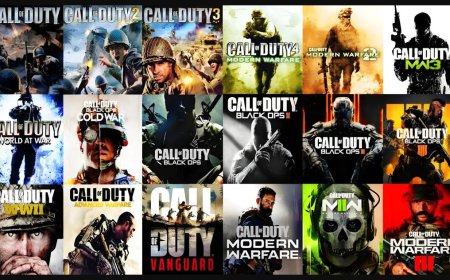
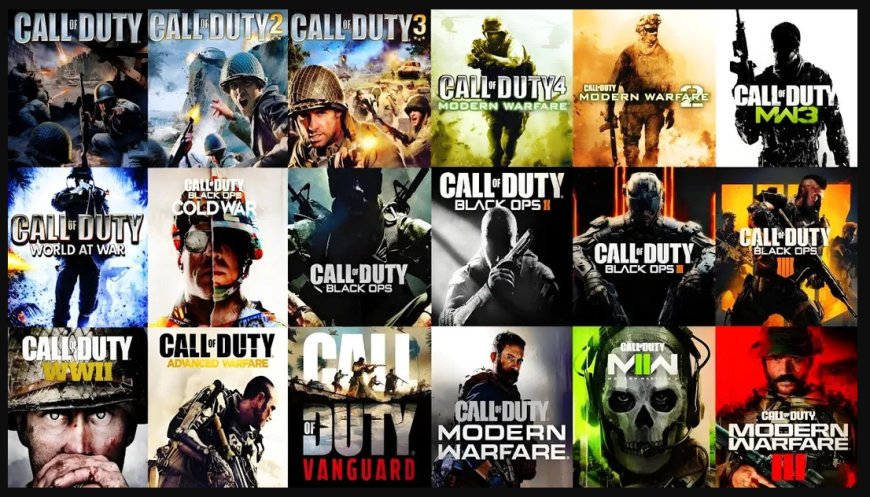
In 2007, Call of Duty 4: Modern Warfare transformed the franchise again by moving from World War II to modern combat. That shift exploded the brand’s popularity.
Later titles like Call of Duty: Black Ops and Call of Duty: Warzone expanded multiplayer innovation and battle royale modes.
Yet none of that would exist without the October 29, 2003 release of the original game.
The first Call of Duty laid the technical and storytelling groundwork for everything that followed.
What Made the First Call of Duty Different?
Several features separated the 2003 release from competitors:
1. Squad-Based Combat
You fought alongside AI teammates who actively participated in battles. You were not a one-person army.
2. Realistic Audio Design
Gunfire echoed differently depending on environment. Artillery blasts felt chaotic. Sound mattered.
3. Cinematic Presentation
Scripted moments created tension similar to war films. The pacing felt intentional, not random.
4. Multiplayer Innovation
The PC multiplayer mode introduced ranked progression elements that later became franchise staples.
At the time, these features felt ambitious. Today, they feel standard. That tells you how influential the first Call of Duty truly was.
Platforms and Technical Details
The first Call of Duty launched exclusively on PC in 2003.
Console versions did not arrive immediately. Later adaptations and sequels expanded the brand to PlayStation and Xbox systems.
The PC focus helped the game attract serious FPS players. Competitive multiplayer thrived quickly because PC gamers already embraced online shooters.
Broadband internet adoption was growing during the early 2000s. Call of Duty arrived at the perfect time to ride that wave.
Timing matters in technology. This release date proved ideal.
Critical Reception and Awards
The original Call of Duty received widespread critical acclaim.
Major review platforms in 2003 praised:
-
Mission design
-
Historical immersion
-
Strong AI behavior
-
Engaging campaign structure
The game won “Best First-Person Shooter” awards from several industry publications that year.
Review aggregators archived from the time show consistently high ratings across major outlets. The game quickly earned a reputation as a must-play WWII shooter.
Strong reviews boosted trust. Trust boosted sales. Sales built the franchise.
Final Answer: When Was the First Call of Duty Video Game Released?
The first Call of Duty video game was released on October 29, 2003, developed by Infinity Ward and published by Activision for Microsoft Windows.
That launch marked the beginning of a franchise that would go on to generate billions in revenue and influence modern shooter design for decades.
Gaming history sometimes pivots quietly. No fireworks. No global livestream. Just a PC disc arriving on store shelves in late October 2003.
From that point forward, the FPS genre never looked the same.
And that’s how a single release date became the origin story of one of the most powerful entertainment franchises ever created.
What's Your Reaction?
 Like
0
Like
0
 Dislike
0
Dislike
0
 Love
0
Love
0
 Funny
0
Funny
0
 Angry
0
Angry
0
 Sad
0
Sad
0
 Wow
0
Wow
0